Why Submit to Iris? BAFTA-Nominated Producer Ben Jackson Shares His Experience
As we enter week five of submissions for our 20th anniversary year, we’re sharing firsthand reflections from filmmakers who attended the most recent edition of the Iris Prize LGBTQ+ Film Festival.
- Team Iris, Mon 16 Feb 2026
Share This:
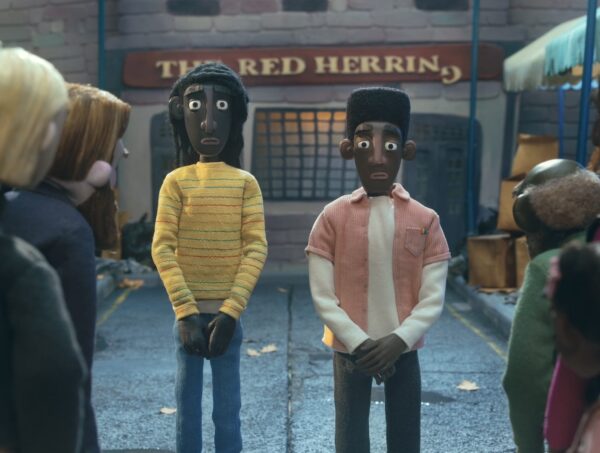
This month, we speak to Ben Jackson, producer of Two Black Boys In Paradise—winner of the Iris Prize Co-op Audience Award, now BAFTA-nominated and streaming on Channel 4—about what the Iris experience really offers filmmakers, both on and beyond the screen.
Two Black Boys In Paradise won the Iris Prize Co-op Audience award and now available on Channel 4. How important is the partnership between the Iris Prize and Channel 4?
It’s huge. Short films so rarely receive meaningful broadcast or streaming opportunities, so the Iris and Channel 4 partnership is extraordinary. Channel 4 is one of the UK’s most recognised and culturally significant broadcasters, and being able to say that the film is available to stream there makes a real difference, both in terms of reach and credibility.
Two Black Boys on Channel 4
Shorts can sometimes struggle to find audiences beyond the festival circuit. Having the Channel 4 platform not only gives the film a life beyond festivals, but also makes it far more accessible. When people ask where they can watch it, being able to say “it’s on Channel 4” removes a barrier and signals a real stamp of approval and it’s also incredibly helpful for everyone involved in the film as they take the next steps in their careers.
If you had limited budget what other festival you would consider submitting as well as Iris?
I think it always depends on the film and your goals for it. This film was a labour of love over five years, and so many people gave it everything they had. We believed in it deeply and felt we owed it to the story and everyone involved to aim high. So our festival strategy combined Oscar and BAFTA-qualifying festivals, festivals that prioritise visibility and audience engagement, LGBTQ+ festivals (or festivals with strong LGBTQ+ strands), animation festivals, and festivals that offer prize money, because any winnings could be reinvested into PR, marketing, and future projects.Iris covers almost all of those bases, which makes it incredibly valuable. It was on our priority list from early in the film’s development.
TBBIP_Still
To highlight a few others: Novella, Norwich and Encounters were all fantastic; well organised, strong for networking, and offering prize money. Bolton has excellent industry events and networking opportunities. HollyShorts London was also a great experience.
Internationally, Woodstock Film Festival in upstate New York stood out for its sense of community and genuine championing of bold, independent voices. And from an animation perspective, Anima and Manchester Animation Festival were real highlights.
We’ve genuinely had positive experiences across the board and every festival trip left me thinking, “I’m so glad I came.”
Iris often talks about “joining the Iris family.” Did you genuinely feel that sense of community at the festival, even while competing for the same prize?
Completely! The sense of community felt really genuine and I’m in regular contact with many of the people I met there. It feels like everyone really champions and celebrates each other, even if we were in competition. We all kept saying that really it feels like we are all winners anyway being on the Best of British shortlist and streaming on Channel 4, and every single film was genuinely amazing and would have been a deserving winner.
Best British Day 2025
Iris and the organisers do an amazing job of fostering an environment that does feel like family and community and where people feel they can be open and honest. Making a film is incredibly hard and just finishing a film is a small miracle - making a queer film takes bravery and vulnerability and you know that everyone at Iris has been through that. I think that also makes us feel like family and want to champion and support each other.
You attended Iris in person. How valuable was it to attend screenings and events beyond your own film?
It was hugely valuable. Watching films in that setting, often with the filmmakers present for Q&As, is such a rich way to experience them. Hearing directly from creators about their process and challenges is always inspiring. I also loved being able to watch feature films and engage with filmmakers working at different scales. I’m from Manchester, and some Iris regulars, Neil and Lloyd, were there with their film Departures. Although we all live in the same city, it was Iris where we actually met for the first time.
Iris Industry Day 2025
The meals organised during Industry Day and Best of British were also fantastic. They created space for real conversation and connection. I genuinely hope to attend again in the future.
Would you recommend filmmakers attend both the screenings and the Industry Day? How did you personally balance networking with actually watching films?
Absolutely, I’d highly recommend attending both.I found both the industry day, screenings, and networking really valuable. For me, the key was not trying to treat networking as a separate activity. Conversations happened naturally; in the Iris bar between events, over lunch, after Q&As. It never felt forced. As someone who can lean towards introversion, I think attending festivals can be daunting but I always very much enjoy it and find it a really valuable experience and the atmosphere was so warm and welcoming that it ended up being energising rather than overwhelming.
Industry Day_Networking Reception
As Iris heads into its 20th anniversary year, why do you think Iris remains such an important festival for emerging filmmakers and producers?
Iris holds real prestige and it’s widely regarded as one of the most significant LGBTQ+ film festivals in the world. That recognition carries weight and can really help bolster the careers of emerging filmmakers. The scale of the Iris Prize is also transformative. Funding at that level can genuinely enable a filmmaker to make their next project, which is rare and incredibly meaningful. Beyond that, Iris nurtures long-term relationships. The Channel 4 partnership adds visibility and legitimacy. It’s no coincidence that so many Iris alumni have gone on to build strong careers and I have no doubt it will continue fostering the careers of emerging filmmakers for many years to come. Here’s to the next 20 years!